Photography is not just about pressing a button; it’s a delicate balance of art and science, and the equipment you choose plays a crucial role in your creative expression. Whether you’re a seasoned pro or just starting out, the right gear can make a significant difference in your work. In this exploration of photography equipment, we will dive into essential tools, budget-friendly alternatives, and even some unconventional options that can help elevate your craft.
**Understanding Your Needs**
Before we delve into the specifics, it’s essential to understand your needs as a photographer. Are you shooting landscapes, portraits, or perhaps product photography? Each genre requires different equipment. For instance, landscape photographers might prioritize a sturdy tripod and wide-angle lenses, while portrait photographers might lean towards prime lenses with a wide aperture to achieve that coveted bokeh effect.
**Essential Gear**
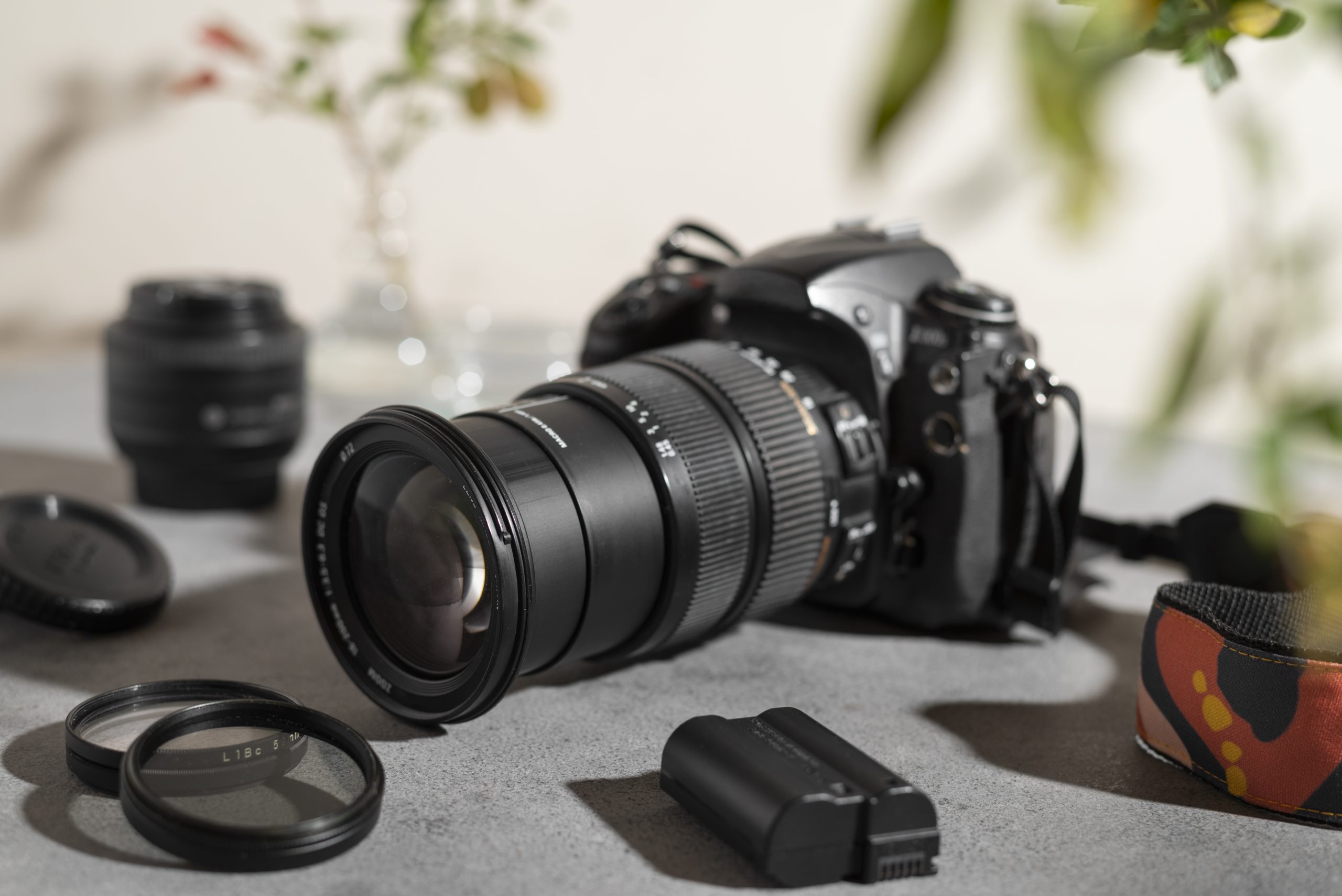
1. **Camera Body**: The heart of your setup. While DSLR and mirrorless systems dominate the market, the choice often comes down to personal preference and the specific features you need. Full-frame cameras offer superior low-light performance and depth of field control, whereas crop sensors can be a budget-friendly option without sacrificing too much quality.
2. **Lenses**: Often referred to as the ‘eye’ of the camera, the right lens can transform your images. A versatile zoom lens can cover a range of scenarios, but don’t overlook prime lenses, which often deliver sharper images and better low-light performance. Remember, each lens has its personality; choose one that aligns with your vision.
3. **Tripod**: Stability is key in photography, and a solid tripod can help you capture sharp images in low light or during long exposures. Consider investing in a lightweight, portable tripod if you’re frequently on the go, or a sturdier option for studio work.
4. **Lighting Equipment**: Natural light is beautiful, but it’s not always available when you need it. Speedlights and continuous lighting setups can provide you with the flexibility to create stunning images, even in challenging environments. Look into softboxes and reflectors to diffuse and control light, giving your subjects a professional touch.
5. **Editing Software**: While this isn’t equipment in the traditional sense, the software you choose for post-processing can dramatically affect the final outcome of your images. Programs like Adobe Lightroom and Photoshop are industry standards for a reason; they offer a vast array of tools to enhance your images and express your artistic vision.
**Budget-Friendly Options**
Now, let’s talk about how to achieve great results without breaking the bank. The photography world can often feel like a race to own the latest and greatest gear, but there are budget-friendly alternatives that perform admirably.
Consider shopping for used or refurbished equipment. Many photographers upgrade their gear regularly, leading to a thriving second-hand market. Additionally, third-party lens manufacturers, like Sigma and Tamron, offer high-quality alternatives to expensive camera brand lenses at a fraction of the price.
**DIY Approaches**
For those who love a hands-on approach, DIY photography equipment can save money while sparking creativity. A simple reflector can be made from a piece of cardboard covered in aluminum foil, and a homemade lightbox can provide beautiful diffused light for product photography using basic materials from around your home.
**The Power of Creativity Over Gear**
While having the right equipment is essential, it’s crucial to remember that creativity often trumps technology. Many successful photographers started with minimal gear but honed their skills through practice and experimentation. Embrace the limitations of your equipment; they can often lead to unique solutions and a distinctive style.
**Emerging Trends**
As technology evolves, new trends in photography equipment emerge. Mirrorless cameras have gained popularity for their compact design and advanced features. Meanwhile, smartphones have become a powerful tool for photographers of all levels, with some boasting advanced camera capabilities that rival traditional DSLRs. Keeping an eye on these trends can help you stay ahead in your craft.
**Conclusion**
In the end, the most critical aspect of photography equipment is how it serves your vision and creativity. Whether you’re investing in high-end gear or finding clever ways to make do, remember that your perspective and approach are what truly define your work. So go out, explore, and let your creativity shine through, regardless of the equipment you have at your disposal!